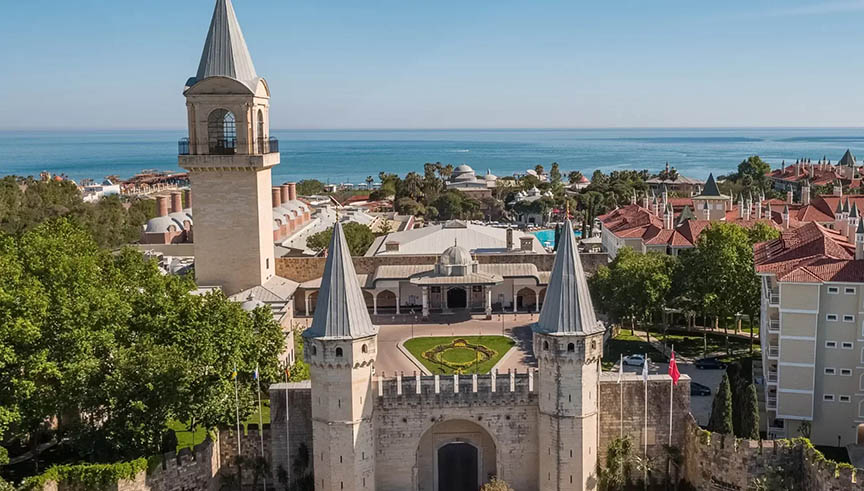
As the plane descended towards Istanbul, I couldn’t help but be filled with a sense of anticipation. It was early August, the sun hung high in the sky, casting a golden hue over the Bosphorus Strait, and I was about to experience one of the most vibrant, historically rich cities in the world. Istanbul, where the East meets the West, isn’t just a geographical intersection but a meeting of cultures, religions, and histories. Its streets hum with the stories of empires, from the Romans to the Ottomans, and its buildings stand as timeless witnesses to the city’s storied past.
Istanbul has a unique energy, a city that never truly sleeps. From the bustling Grand Bazaar to the serene quiet of the Blue Mosque, the city is an intriguing mix of contrasts. It’s a city of beauty, chaos, spirituality, and modernity, all layered together, seamlessly creating an experience unlike any other. Whether you’re walking along the ancient cobbled streets or sipping coffee in a modern café overlooking the Bosphorus, Istanbul offers something for every traveler, and I was eager to discover it all.
Arrival: A City of Contrasts
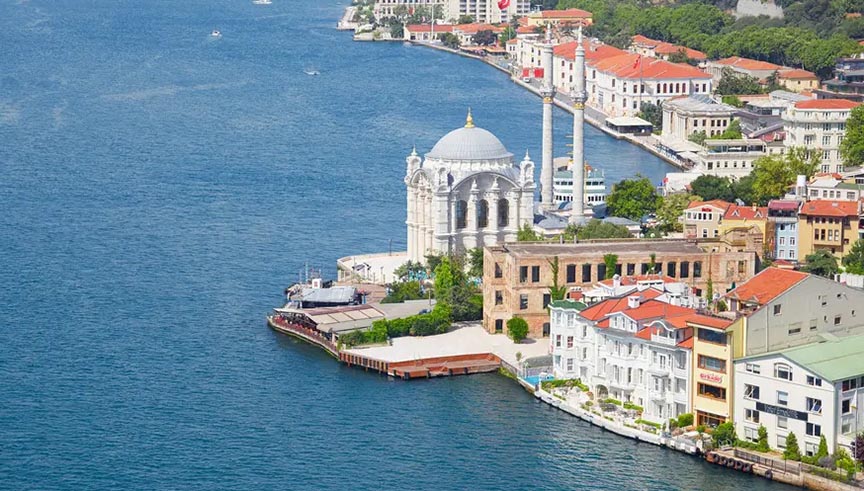
Istanbul is a city of two continents—Europe and Asia. The Bosphorus Strait divides the city, with the European side bustling with activity and the Asian side offering a more laid-back vibe. I arrived in the European district, and as soon as I stepped out of the airport, the heat hit me. August in Istanbul can be intense, with temperatures soaring above 30°C (86°F). However, it’s the kind of heat that you learn to embrace, as it adds to the city’s warmth and vitality.
One of the first things I noticed as I made my way into the city was how Istanbul’s historic charm sits effortlessly alongside its modernity. The skyline is dotted with skyscrapers, but they never overshadow the ancient structures. In fact, the modern buildings seem to respect the grandeur of the palaces, mosques, and churches that have stood for centuries. I could see this blend everywhere—old and new, traditional and contemporary, always side by side.
The Heart of Istanbul: Sultanahmet
The heart of Istanbul, to me, lies in Sultanahmet, where the city’s most famous landmarks are located. I started my exploration at the Hagia Sophia, a magnificent structure that has served as a cathedral, mosque, and now a museum. It’s hard not to be in awe of the Hagia Sophia’s sheer size and architectural brilliance. The soaring domes and intricate mosaics, combined with Islamic calligraphy, tell the story of the city’s dual identity, both Christian and Muslim.
Just a short walk away is the Blue Mosque, or Sultan Ahmed Mosque, a stunning masterpiece of Ottoman architecture. The first thing that struck me about the Blue Mosque was its sheer symmetry—each side of the mosque reflects the others in perfect balance. The prayer hall, with its thousands of blue tiles, feels peaceful, and sitting there, surrounded by the soft hum of prayers, was an incredibly moving experience.
For a more modern Istanbul experience, I wandered through the Topkapi Palace, the residence of Ottoman sultans for nearly 400 years. The palace is vast, with beautifully landscaped gardens, ornate courtyards, and priceless treasures. It was a great opportunity to delve deeper into the city’s Ottoman heritage, from the opulent artifacts in the Harem to the precious relics that have been preserved for centuries.
Exploring the Streets and Bazaars
After spending a few hours soaking in the majesty of these iconic landmarks, I decided to take to the streets to experience Istanbul’s everyday life. Walking through the winding alleys of Sultanahmet, I found myself in the Grand Bazaar, one of the largest and oldest covered markets in the world. The atmosphere in the bazaar is electric—colorful rugs, gleaming jewelry, and fragrant spices line the narrow aisles. Every shop seemed to have something unique to offer, and I couldn’t resist picking up a small Turkish rug as a memento of my visit.
From the Grand Bazaar, I made my way to the Spice Bazaar, just a short walk away. Here, the air was thick with the aromas of saffron, cinnamon, and cloves. The vibrant colors of dried fruits, nuts, and spices filled the stalls, and I took my time trying out some Turkish delight (which, I admit, was addictive). The Spice Bazaar is more than just a market—it’s a sensory journey that gives you a glimpse into the city’s deep-rooted culinary traditions.
The Bosphorus: A Bridge Between Continents
One of my favorite moments in Istanbul was taking a ferry ride along the Bosphorus Strait, which divides the city between its European and Asian sides. The cool breeze and stunning views were a welcome respite from the heat. As I sailed past the Galata Tower on the European side, I looked out over the water and saw both the old and new faces of Istanbul. On one side, the historic palaces and mosques rise above the water, while on the other side, modern apartment buildings and hotels dot the skyline. It was a perfect representation of Istanbul’s unique fusion of ancient and contemporary cultures.
The ferry ride also gave me the chance to appreciate the Bosphorus Bridge, an iconic symbol of the city. Connecting the European and Asian sides of Istanbul, the bridge serves as a literal and metaphorical link between East and West, underscoring the city’s role as a bridge between two worlds.
The Asian Side: A More Relaxed Vibe
While the European side of Istanbul is home to the city’s most famous landmarks, the Asian side of Istanbul offers a more relaxed, residential vibe. I decided to spend a day on the Asian side, exploring neighborhoods like Kadıköy and Üsküdar. Kadıköy, in particular, has a youthful energy with its lively markets, street art, and vibrant cafés. I spent hours simply strolling through the streets, stopping to sample some delicious simit (Turkish sesame bread) from a street vendor and people-watching in the busy squares.
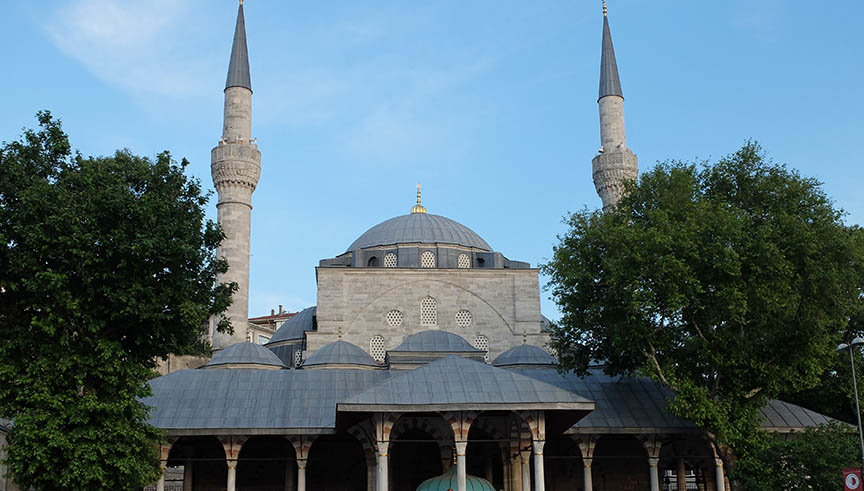
Üsküdar, a district known for its beautiful waterfront and historic mosques, was a tranquil escape from the bustling heart of the city. I wandered through the narrow streets, visited the Mihrimah Sultan Mosque, and took in the view of the European side across the Bosphorus. The Asian side feels more like a local’s Istanbul, where life moves at a slower pace, and you can escape the tourist crowds for a while.
Food: A Culinary Journey
One of the highlights of my time in Istanbul was undoubtedly the food. Turkish cuisine is a rich blend of influences from the Middle East, Central Asia, and the Mediterranean, and you can taste these influences in every dish. From the famous kebabs and baklava to the lesser-known dishes like lahmacun (Turkish pizza) and menemen (Turkish scrambled eggs), the flavors are bold and diverse.
In the evenings, I found myself wandering to the Istiklal Avenue, a vibrant pedestrian street lined with restaurants, cafes, and shops. Here, I indulged in a delicious meze platter—an assortment of small appetizers like hummus, baba ghanoush, and stuffed grape leaves. Pairing it with a glass of raki, the national Turkish drink, I felt like I was truly experiencing the heart of Turkish culture.
Istanbul’s Unique Blend of Cultures
What makes Istanbul so special is how it effortlessly blends cultures, traditions, and histories. From the Christian mosaics of Hagia Sophia to the Islamic calligraphy of the Blue Mosque, the city’s architecture tells the story of its long and diverse past. Walking through the streets, you’ll hear the call to prayer echoing from the mosques, but you’ll also see cafes filled with people chatting over espresso and watching the world go by.
The city’s unique position as the intersection of East and West isn’t just geographical—it’s cultural. Whether it’s the fusion of Ottoman and Byzantine architecture, the blend of Turkish and Arabic influences in the food, or the people, who reflect a mix of traditions and modernity, Istanbul truly is a city where the old and the new exist in harmony.
Istanbul, in August, is a city of contrasts—its vibrant culture and rich history draw you in, and its energy keeps you captivated from sunrise to sunset. Whether you’re strolling through the historic streets of Sultanahmet, shopping for treasures in the labyrinthine Grand Bazaar, or simply sipping Turkish tea while watching the sunset over the Bosphorus, there’s an undeniable magic in the air. The city’s ever-present hum of life and its unique blend of cultures—from the ancient Byzantine heritage to the Ottoman grandeur—create an atmosphere that feels both timeless and dynamic.
Istanbul isn’t just a place to visit; it’s a place to experience and to truly immerse yourself in. As you walk through its neighborhoods, each corner offers a new adventure, whether it’s sampling delicious street food or admiring centuries-old architecture. There’s always something new to discover, whether it’s hidden gems in narrow alleys or panoramic views from a ferry ride across the Bosphorus. For those seeking a destination that combines rich history, stunning architecture, delicious food, and an energy that never fades, Istanbul is, without a doubt, the perfect destination for every traveler.