When I first arrived in Vancouver, I expected to be captivated primarily by the bay and the mountains; instead, it was the everyday act of dining that truly helped me settle into the city’s rhythm.
What makes this city unique is that its culinary scene isn’t confined to a specific “food district” but is woven into the fabric of daily life: corner cafés, waterfront restaurants, downtown Japanese eateries, Chinese restaurants in Richmond, seafood stalls at the market… You don’t feel like you’re merely “checking off” culinary hotspots; rather, you feel like a participant in the city’s everyday life.
After a few days, I began to realize that Vancouver’s food isn’t meant for show—it is meant to be lived.
The First Taste of Seafood: A Direct Expression of the Pacific
My earliest taste memory of Vancouver is of its seafood.
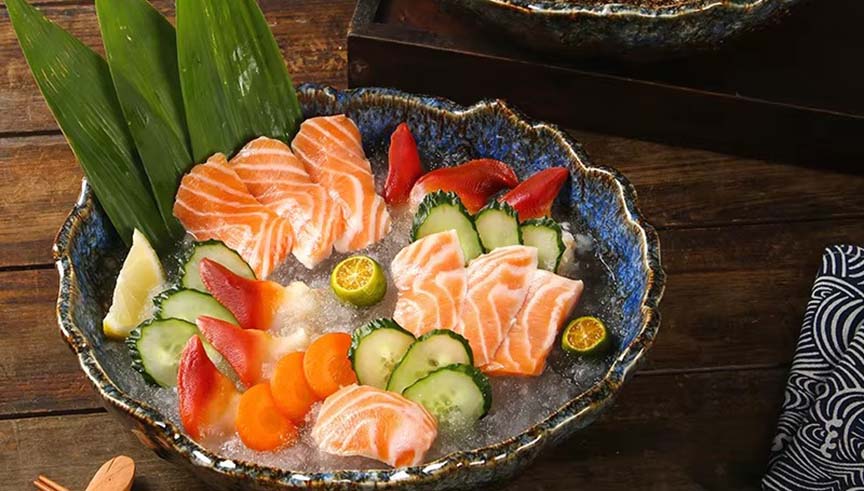
At a waterfront restaurant downtown, I ordered a salmon platter. The moment I took a bite, there were no complex seasonings—just a clean, almost “translucent” freshness. It didn’t feel like a restaurant dish so much as the ingredient itself, presented in its purest form.
Later, I visited Granville Island Market, where the experience was even more immediate. I bought some freshly shucked oysters and grilled scallops, sitting on a bench by the water to enjoy them. With the sea breeze beside me and seagulls occasionally flying overhead, the food was incredibly fresh—I could even sense the faint temperature of the seawater.
In that moment, I realized that what makes Vancouver’s seafood special isn’t the cooking method, but the “short distance.” From the ocean to the table, there are virtually no intermediaries.
A City Dense with Japanese Cuisine: A Source of Consistency
Vancouver has an incredibly high density of Japanese restaurants—so high that you could stumble upon a different sushi bar or ramen shop almost every day.
I wandered into a small sushi shop downtown; it lacked flashy décor and was even somewhat understated, yet the clientele consisted almost entirely of locals. The sushi was restrained—no excessive sauces or elaborate plating—yet the balance of flavors and the temperature were spot-on.
Eating it didn’t trigger a “wow” factor, but it evoked a rare feeling: a sense of comfort and reassurance.
I later visited several other Japanese restaurants with varying styles—some refined, others more family-oriented—but they all shared one common trait: consistency. You won’t encounter any unpleasant surprises or jarring flavors here, yet you’ll find yourself wanting to come back again and again.
In Vancouver, Japanese cuisine feels more like a “daily staple” than a “special occasion” dining experience.
Chinese Cuisine in Richmond: The Cultural Bedrock of the City
If seafood represents nature, then Chinese cuisine forms the “foundational logic” of Vancouver’s culinary landscape.
During a dinner in Richmond, I stepped into a Cantonese restaurant. The menu was comprehensive—spanning everything from roast meats and dim sum to seafood and soups—representing a complete culinary system.
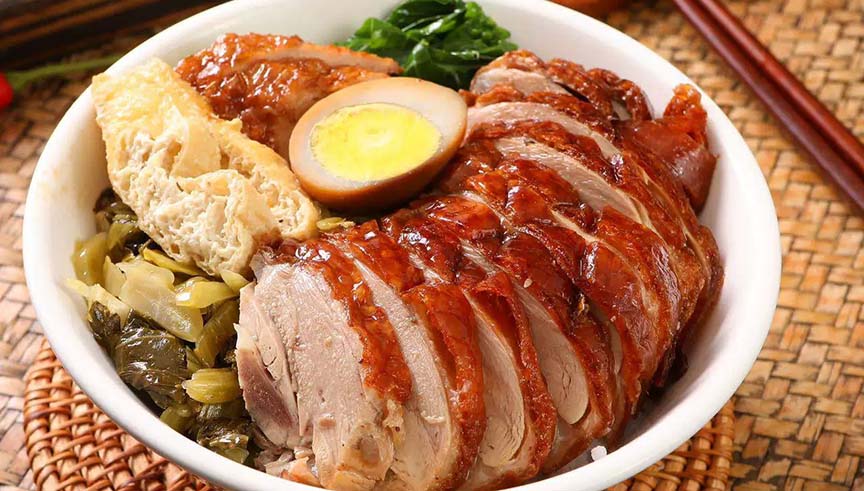
I ordered a plate of roast duck with rice. The first bite evoked a complex feeling: it wasn’t a sense of novelty, but rather a familiarity that took me by surprise. The duck skin was perfectly crisp without being overly fatty; the rice had absorbed the sauce without becoming too salty; the dish was impeccably balanced.
What impressed me even more was the restaurant’s soundscape. Mandarin, Cantonese, and English mingled in the air, with servers switching effortlessly between languages. This linguistic blend transformed the restaurant itself into a vibrant “cultural space.”
I suddenly realized that Chinese cuisine in Vancouver isn’t merely “foreign food”; it is an entire lifestyle that has been preserved intact.
Coffee Culture: A Way to Slow Down the City
Vancouver is teeming with coffee shops, yet their purpose extends far beyond the simple act of drinking coffee.
I found a small café in Gastown featuring wooden furniture, warm lighting, and local photography adorning the walls. After ordering a latte, I didn’t rush off; instead, I lingered for a long while.
People here enjoy their coffee at a leisurely pace: some work on laptops, others read, and some simply gaze out the window at the street. No one is hurried, and no one is in a rush to leave.
I made a habit of visiting a different café each day—from downtown to the waterfront and the historic districts. While each spot had its own unique atmosphere, they all shared a common trait: they allowed you to pause and slow down.
I gradually realized that Vancouver’s coffee culture isn’t really about the coffee itself, but about the rhythm of life.
A Table of Diverse Fusion: A City’s Culinary Structure Without Boundaries
After spending time in Vancouver, I began to see that its culinary landscape is defined by “fusion” rather than rigid categorization. It is perfectly natural to find yourself with a combination like this in a single day: coffee and a pastry for breakfast, Japanese cuisine for lunch, milk tea or Vietnamese pho in the afternoon, and seafood or Chinese food for dinner. This isn’t a planned itinerary; it’s simply the range of possibilities the city offers.
I once ate at a pho shop where a local family sat at the table next to me, while young people picked up takeout orders on the other side. Despite the differences in language, culture, and age, everyone coexisted naturally in the same space.
This blend isn’t chaotic; rather, it feels balanced.
Vancouver’s culinary scene isn’t just about “diversity”; it’s about “fusion.”
Granville Island: Where Food Meets the City
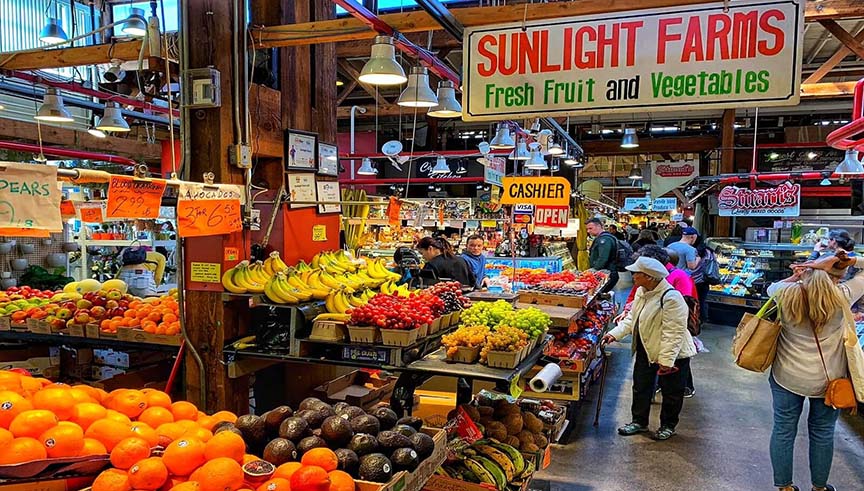
Granville Island is one of my favorite spots in Vancouver. It doesn’t feel like a typical tourist attraction; instead, it’s more like a “living market.”
You’ll find seafood stalls, bakeries, produce markets, and areas dedicated to artisanal foods. My favorite thing to do is grab a bite to eat and sit by the water to enjoy it.
The aromas in the market are complex—the scent of fresh bread, the brininess of seafood, and the sweetness of fruit all mingle together without clashing.
Most importantly, there is no distinction here between “spectator” and “subject.” Everyone is a participant.
The Taste of Vancouver: A Way of Life
Before leaving Vancouver, I had my final meal at a small seaside restaurant. I enjoyed a simple plate of fish and chips while sitting by the window, watching the sea darken as evening fell.
In that moment, I realized that the city’s culinary appeal doesn’t rely on complexity or showiness, but on a constant, underlying sense of comfort.
Seafood represents nature; Japanese food, stability; Chinese food, cultural continuity; coffee, the rhythm of life; and the market, life itself.
Together, they don’t just form a menu—they define the very state of the city.
If I had to sum up my culinary experience in Vancouver, it would be this:
The city’s true flavor isn’t found in its restaurants, but in the flow of everyday life.