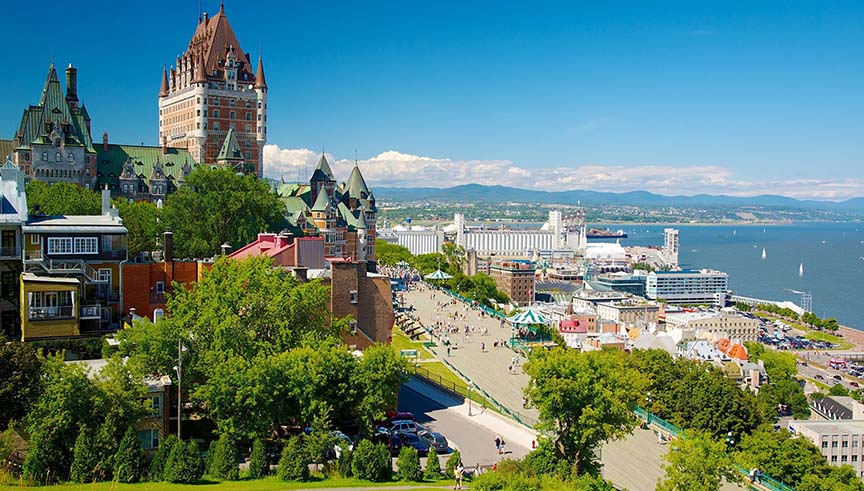
I arrived in Quebec City for the first time on a spring evening. As the plane landed, the air felt soft and fresh, and the city lights appeared gentle through the calm twilight. I had an immediate impression: this city was unlike any other Canadian city I had visited—it felt more like a preserved Old World European town.
For this trip, I made a point of bringing and primarily using travel credit cards. It wasn’t just for the convenience of payment; I wanted to see what kind of real-world experiences—such as points, cashback, and travel perks—these cards could unlock in a city that is both a major tourist destination and steeped in history.
I soon discovered that in Quebec City, a credit card is more than just a payment tool; it is an integral part of the travel experience itself.
Fairmont Le Château Frontenac: Stepping into History via Credit Card Points
For my first night in Quebec City, I chose to stay at the Fairmont Le Château Frontenac.
The hotel itself resembles a castle; from a distance, you can see its silhouette overlooking the St. Lawrence River. I booked the stay through a travel credit card portal, using points to offset part of the cost and securing a room upgrade as a perk.
At check-in, the value of my credit card benefits became immediately apparent: priority lines, expedited check-in, and a room upgrade.
Stepping into my room, I was greeted by a view of the Old City and the river. While the room featured modern amenities, the vista outside was pure history: cobblestone streets, peaked-roof architecture, and the unfolding scenery of spring in the distance.
In that moment, I realized that in Quebec City, a credit card wasn’t merely a way to pay—it was a gateway to a richer historical experience.
The City Walls and Old Quebec: Every Purchase Becomes Part of History
The next day, I explored Quebec City’s historic district, Old Quebec.
The cobblestone streets were distinctive, creating a gentle, undulating sensation as I walked. Flanking the streets were substantial stone buildings, many dating back centuries. The area was a hub of activity, packed with souvenir shops, cafes, restaurants, and artisan boutiques.
I used my travel credit card to pay for a coffee at a small cafe. It was a simple transaction, yet in this setting, the credit card’s “record-keeping” aspect became intriguing—it captured not just the amount spent, but also the location and the context of the experience.
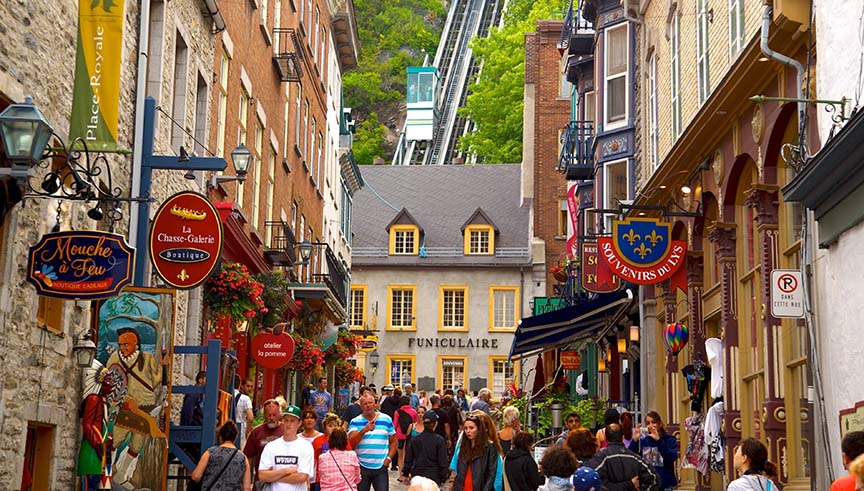
Later, I walked a stretch along the City Walls. The air was crisp and cool, but the view was expansive, revealing the layered architecture of the entire city.
Here, almost every travel expense—from admission tickets and meals to souvenirs—could be handled via credit card with seamless ease. It was my first time truly realizing how the convenience of travel credit cards is amplified in a major tourist destination.
Dining on Cobblestone Streets: The Real Value of Cash Back and Points
During my days in the Old City, I used my credit card for almost every meal.
One evening, I dined at a French restaurant, ordering foie gras, steak, and red wine. The bill wasn’t cheap, but using my travel credit card earned me cash back and accumulated points in the dining category.
It was a subtle yet satisfying feeling: this wasn’t just dinner; it was an investment—points that could later be redeemed for flights or hotel stays.
The next morning, I used the same card to buy a croissant and coffee at a bakery. Even though the amount was small, it still counted toward my travel spending.
This experience of “effortless accumulation” made me realize that in a tourism-rich city like Quebec City, the value of a credit card isn’t realized in a single moment but compounds over time.
The St. Lawrence River and the View: An Upgraded Perspective Earned Through Points
Later, I visited the area near the St. Lawrence River.
Viewing Quebec City from the riverbank offered a completely different perspective: the city appeared as a historic structure suspended above the water, with its lights, walls, and church spires creating a compact, picturesque scene.
One particularly memorable experience was using my credit card points to upgrade to a room with a view.
Looking out the window, I saw the river and city walls by day, and a blend of lights and evening mist by night. This vantage point made me realize that the value of a travel credit card isn’t just about saving money—it’s about transforming the way you see the city.
A Night in the Château Frontenac Area: Credit Cards Offer Greater Travel Freedom
Quebec City is incredibly quiet at night.
I took a stroll around the Château Frontenac, where many restaurants and bars are clustered. Whether it was dinner, dessert, or a hot drink, I could pay for everything with my credit card—free from the stress of carrying cash or the hassle of currency exchange.
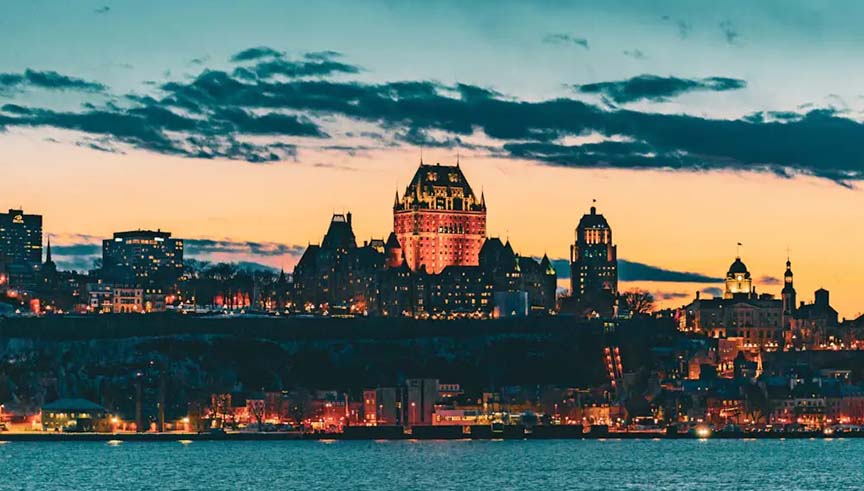
I even indulged in some spontaneous spending: walking into a dessert shop on a whim, ordering a hot chocolate, and simply tapping my card to pay before heading out.
That sense of freedom is crucial when traveling. It allows you to worry less about practical constraints and focus more on experiencing the city itself.
My travel experience in Quebec City was truly enhanced by the way I paid for things
Before leaving Quebec City, I stood on the streets of the Old Town one last time.
The cobblestones, the lights, the silhouette of the château, and the buildings framed by soft evening air—it all looked like a still painting.
Yet, looking back on the trip, I realized something interesting: in Quebec City, my travel credit card wasn’t just a background tool; it was an integral part of the experience itself.
From booking the hotel and dining out to grabbing a coffee or upgrading my view, the card constantly shaped my itinerary and the choices I made.
If the city itself is “Europe in North America,” then the credit card played the role of making that “European experience” smoother and more seamless.
If I had to sum up my experience in a single sentence:
The romance of Quebec City lies not only in its cobblestone streets but also in every travel moment connected by the tap of a credit card.