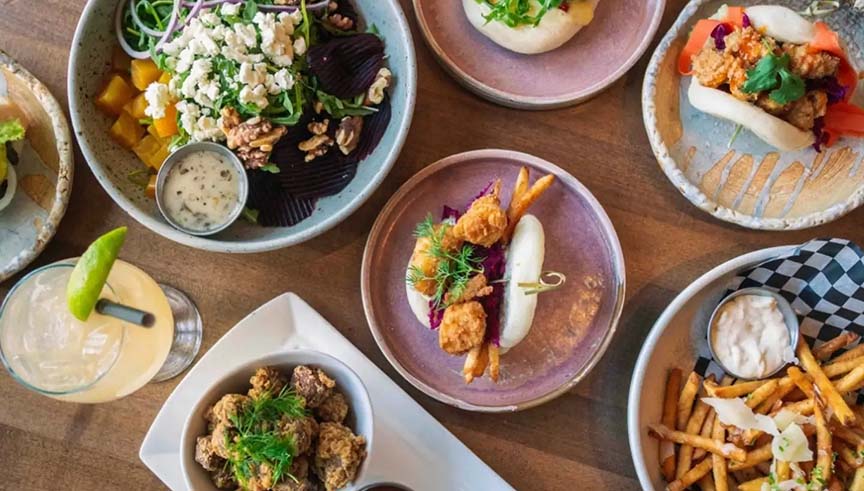
When I first arrived in Toronto, I expected to be captivated by the skyline or the CN Tower, but it was the food scene that truly helped me settle in and get a feel for the city.
The city’s culinary landscape defies a single label; it is more like an ever-changing mosaic—Chinese, Indian, Italian, Japanese, Middle Eastern, Korean, Caribbean… These cuisines aren’t confined to designated zones but are naturally woven into the fabric of the neighborhoods.
After spending a few days in Toronto, I realized that the food here isn’t merely a “tourist experience”—it is an integral part of the city’s structure.
The Density of Chinese Cuisine: An Asian Extension Beyond Richmond
Asian cuisine has a powerful presence in Toronto. My first proper meal was a plate of roast meat over rice at a downtown Chinese restaurant.
The roast duck skin was crispy yet not greasy, and the rice had absorbed the sauce without becoming heavy or cloying. The flavor wasn’t overly modified or complex; it was a straightforward, authentic expression of Chinese cuisine.
I later visited Chinese restaurants in various districts—ranging from Cantonese-style cha chaan tengs (tea restaurants) to small eateries serving Northern-style dishes. While each spot had its own nuances, they all maintained a consistently high standard for everyday dining.
What struck me most was the soundscape inside the restaurants: Mandarin, Cantonese, and English mingled in the air, with servers switching effortlessly between languages. In that moment, I realized that Chinese food in Toronto isn’t “foreign cuisine”—it is deeply embedded in the city’s daily life.
A Fusion of Diversity: The World on a Single Street
One of Toronto’s most unique features is the ability to take a “global culinary tour” along a single street.
One day, while strolling through downtown, I passed an Indian curry house, an Italian pizzeria, a Japanese sushi bar, a Korean fried chicken shop, and a Middle Eastern kebab spot—all within the span of an hour.
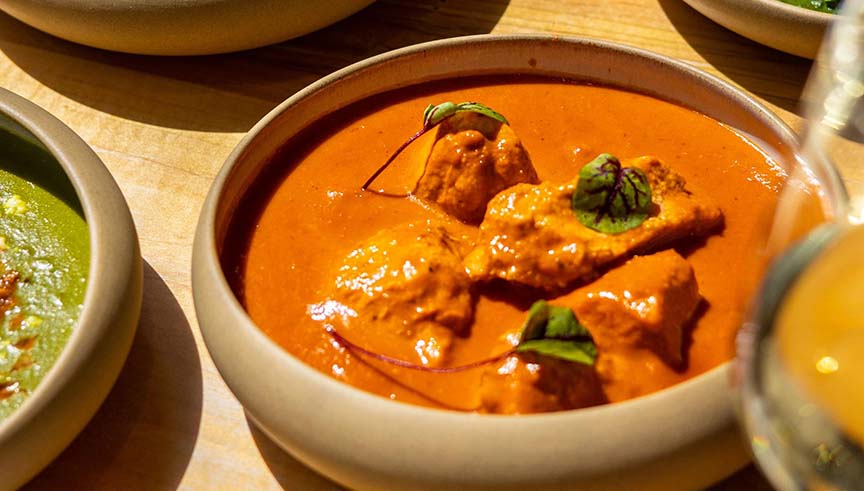
For dinner that day, I chose an Indian restaurant. I ordered curry and naan; the flavors were rich yet balanced, with distinct layers of spices.
At the table next to me sat a local couple, while office workers who had just finished their shifts sat on the other side. No one viewed the place as an “exotic” or “foreign” restaurant; everyone was simply there, enjoying a meal in a natural, everyday setting. This experience gave me a true understanding of what a “multicultural city” really means—it isn’t something put on display, but something that emerges organically from long-term living.
Korean and Japanese Cuisine: Consistency and Attention to Detail
Korean and Japanese restaurants are abundant in Toronto, and the quality is consistently high.
I visited a Korean BBQ spot—small in size but bustling with energy. The rhythm of the meal felt familiar: the food arrives, the grill heats up, the meat gets flipped, and you wrap it in lettuce—everything flows naturally.
The flavors weren’t particularly “innovative,” but they were solid; the sauce ratios were spot-on, and the meat quality was excellent.
Japanese cuisine, on the other hand, is all about “attention to detail.” I had a sushi set in the city center where the temperature of the rice, the thickness of the fish, and the ratio of soy sauce were all perfectly balanced and restrained.
The feeling of eating Japanese food in Toronto is this: it doesn’t try to dazzle you; instead, it puts you at ease.
Western Staples: Pizza, Burgers, and the City’s Rhythm
Beyond Asian cuisine, Toronto’s everyday Western food scene is also highly developed.
I ordered a slice of cheese pizza at a corner shop—simple yet consistently good. The crust had a nice crispness, the cheese had that perfect stretch, and it was the kind of meal you could grab and eat anytime.
I also had a burger downtown; the experience was straightforward—no complex structures, just a meal that felt truly energizing.
In Toronto, these foods aren’t “special attractions”—they are simply part of daily life. You wouldn’t plan a trip specifically for them, yet they naturally become a part of your routine.
Middle Eastern and Latin Flavors: Neighborhood Surprises
There is another side to Toronto’s food scene: restaurants that may not be immediately obvious but have a distinct presence.
I had a mixed grill platter at a Middle Eastern restaurant; the spices were bold yet smooth, creating a perfectly balanced dish when paired with the rice and sauces.
I also tried tacos at a Latin American spot. The aroma of the corn tortillas was rich and distinct, and the combination of fresh vegetables and meat made the whole dish feel vibrant and lively.
These restaurants don’t rely on flashy branding, yet the flavors are incredibly authentic.
They made me realize that Toronto’s culinary scene isn’t about “concentrated showcases,” but rather “organic, widespread growth.”
Markets and Desserts: The City’s Laid-Back Side
While in Toronto, I visited the area around St. Lawrence Market, a place teeming with snacks and sweets.
I had a maple-flavored treat and some locally baked goods. The flavors were simple, yet they captured the essence of everyday city life.
The atmosphere inside the market was unique: some people were shopping for ingredients, others were having lunch, and some were just passing through. Here, food wasn’t the main attraction—it was simply a part of life.
Beyond the flavors: the rhythm of daily life in Toronto
Before leaving Toronto, I had my final meal at a small eatery in the city center that I’d wandered into at random. I hadn’t chosen it deliberately, nor did I have any particular expectations, yet that moment gave me a clearer understanding of the city.
These flavors weren’t carefully curated; rather, they had grown naturally within the city’s fabric. Each dining spot served a different crowd while contributing to the same living ecosystem.